
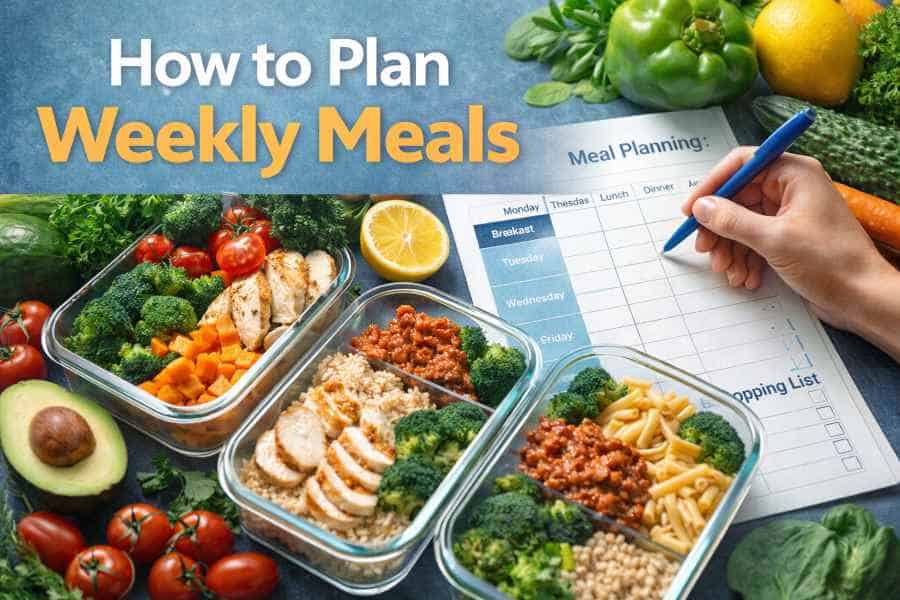
Planning weekly meals might seem like a daunting task, but with the right strategy, it can transform your eating habits and save you time. A well-structured meal plan helps you stay organized, reduces the risk of unhealthy eating, and even cuts down on food costs. In this guide, we will explore how you can plan weekly meals effectively, reduce waste, and incorporate healthier options into your daily routine.
Understand Your Goals and Preferences
When starting to plan weekly meals, it’s essential to first assess your personal health goals and preferences. Are you aiming to lose weight, eat more vegetables, or save money on groceries? Your meal plan should align with these objectives. For example, if you want to lose weight, you may prioritize low-calorie, high-protein meals. If you have dietary restrictions, such as gluten-free or vegetarian, it’s crucial to cater to these needs.
Building a flexible meal plan allows you to make choices that fit into your routine without feeling restricted. Consider including some easy-to-make dishes that require minimal preparation and can be quickly reheated throughout the week. Meal planning made easy can help you craft a plan that suits your lifestyle while keeping your goals at the forefront.
Create a Shopping List Based on Your Meal Plan
Once you have an idea of your meals for the week, it’s time to create a shopping list. Start by checking your pantry for staples like rice, pasta, and canned vegetables to avoid unnecessary purchases. Then, based on your planned recipes, list all the fresh produce, proteins, and dairy items you’ll need. Planning your shopping list helps you stay focused at the store and reduces the temptation to buy non-essential items.
It’s always a good idea to buy in bulk for items you use frequently, such as grains and frozen vegetables. This not only saves you money but also ensures you’re never left scrambling for ingredients. With a clear shopping list in hand, you’ll be able to tackle your week without stress. How to plan meals effectively provides tips on how to streamline this process and ensure you stay on track.
Meal Prep to Save Time and Effort
One of the biggest benefits of meal planning is the ability to meal prep. Meal prep involves cooking large portions of food in advance, so you can simply reheat meals throughout the week. This method is particularly useful for busy individuals who struggle to find time to cook every day.
By dedicating a few hours on the weekend to meal prep, you can avoid the stress of daily cooking and ensure you always have nutritious meals ready to go. Focus on making dishes that store well in the fridge, such as casseroles, stews, and grilled proteins. If you’re new to meal prep, meal prep for beginners can guide you through the basics and help you establish a sustainable routine.
Plan for Leftovers to Maximize Efficiency
Leftovers are an essential part of a successful meal plan. By planning meals that can easily be reheated, you reduce the time spent cooking during the week. For example, you can make a large batch of soup or chili and enjoy it for lunch the next day. Not only does this save you time, but it also helps you avoid wasting food.
Try to plan for at least one or two leftover-friendly meals each week, so you don’t have to cook from scratch every single day. It’s a great way to make your meal plan even more efficient and budget-friendly. Healthy weekly meal plans offer ideas on how to create meals that can be reused or repurposed throughout the week, helping you get the most out of your ingredients.
Include a Variety of Meals to Keep Things Interesting
Variety is key when planning meals to prevent monotony. It’s easy to fall into the trap of eating the same few dishes every week, but this can lead to boredom and even make you less motivated to stick to your meal plan. To keep things interesting, aim to include a variety of proteins, vegetables, and cuisines in your weekly plan.
For example, try switching up your lunch options between salads, wraps, and bowls. Experiment with different grains like quinoa or farro, and consider adding new sauces and dressings for added flavor. The more diverse your meals are, the more enjoyable your meal planning will be. Weekly meal planning guide offers practical tips on introducing variety into your meals while maintaining a healthy and balanced diet.
Track Your Progress and Adjust as Needed
As you continue with your weekly meal plans, it’s important to track your progress and make adjustments where necessary. Are you sticking to your plan? Do you find that certain meals are consistently popular, while others get pushed aside? By keeping track of your meals and how you feel, you can tweak your plan to better fit your tastes and schedule.
Don’t be afraid to experiment with new recipes or change up your ingredients as you go. Meal planning is a dynamic process that can be fine-tuned to match your evolving needs and preferences. Over time, you’ll find a system that works best for you, allowing you to maintain a healthy and convenient meal routine. Meal planning for a healthy lifestyle will guide you on how to track your progress and stay motivated to follow your plan.
Conclusion
Meal planning is a game-changer for those looking to improve their diet, save time, and reduce stress. By understanding your goals, creating a structured shopping list, prepping meals in advance, and incorporating leftovers, you’ll set yourself up for success. Don’t forget to track your progress and make changes as needed to ensure your meals align with your lifestyle.
With these tips, you’ll be able to tackle weekly meal planning with confidence and ease, paving the way for healthier eating habits. Remember, the key to success is consistency and flexibility, so make adjustments as you go and enjoy the process!